Module & pack assembly lines / 4–15 PPM
Battery Module & Pack Assembly Lines, Built to the Cell You Already Bought
Cells in at one end, tested packs off the other. Every station is labelled AUTO, SEMI-AUTO or MANUAL, so the headcount is costed before you sign.
- 4–15 PPMLine takt across the three tiers
- 500 MWh – 2 GWhAnnual output range, 314 Ah blueprint
- 1Automated station in the pack segment — the adhesive station
- ≥99%Line acceptance yield, equipment-caused only
What We Hand Over — Two Segments, One Takt, One Owner
We take over once cells are inside your gate, and let go when tested packs come off the far end.
Between those two points sit a module segment and a pack segment. They are usually bought as two orders, from two suppliers, against two drawings. Here they are one line with one takt figure and one acceptance document, which is the whole reason this page exists.
Two segments, one takt
One handover point
Scope in one line
What a quote covers
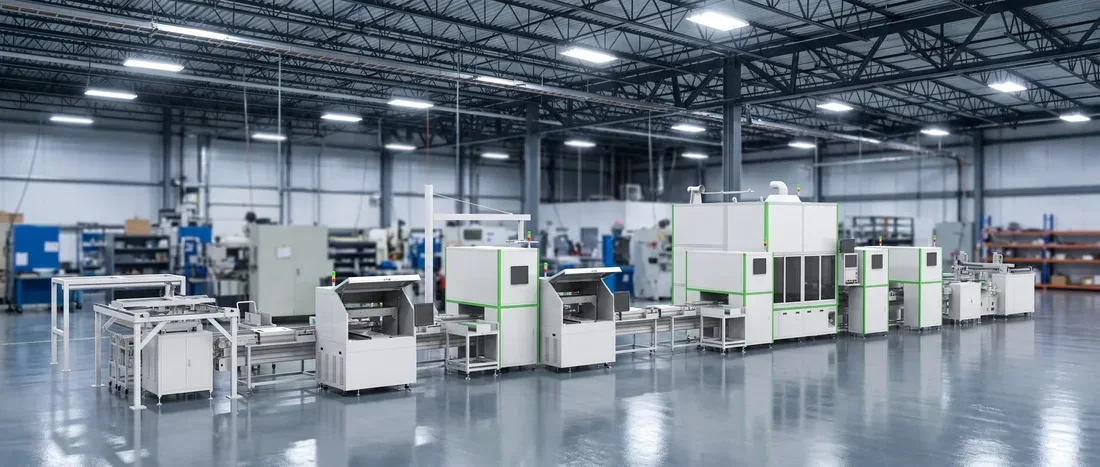
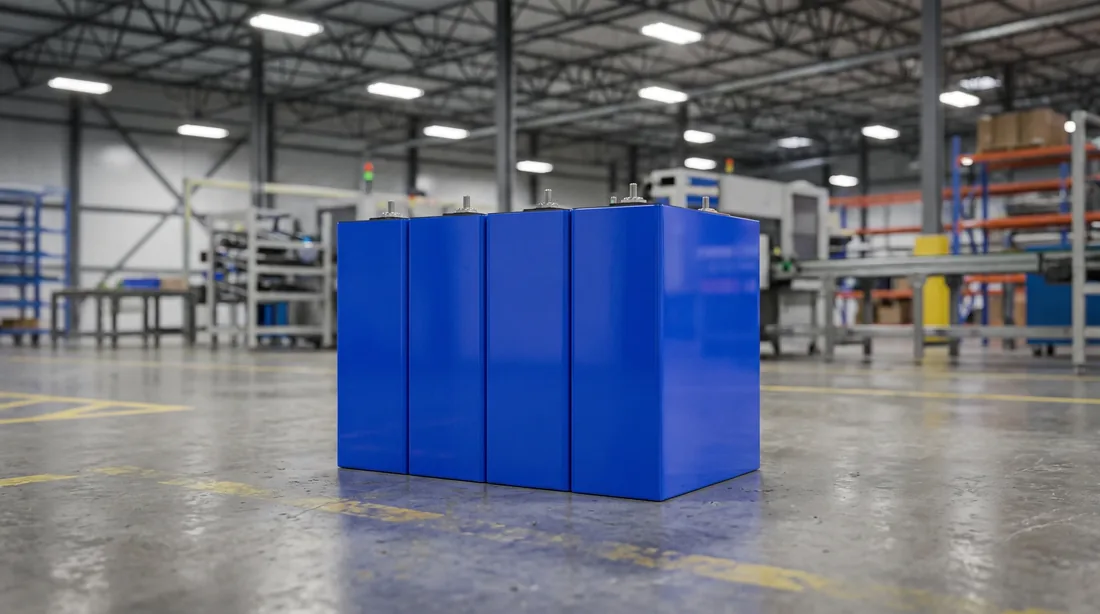
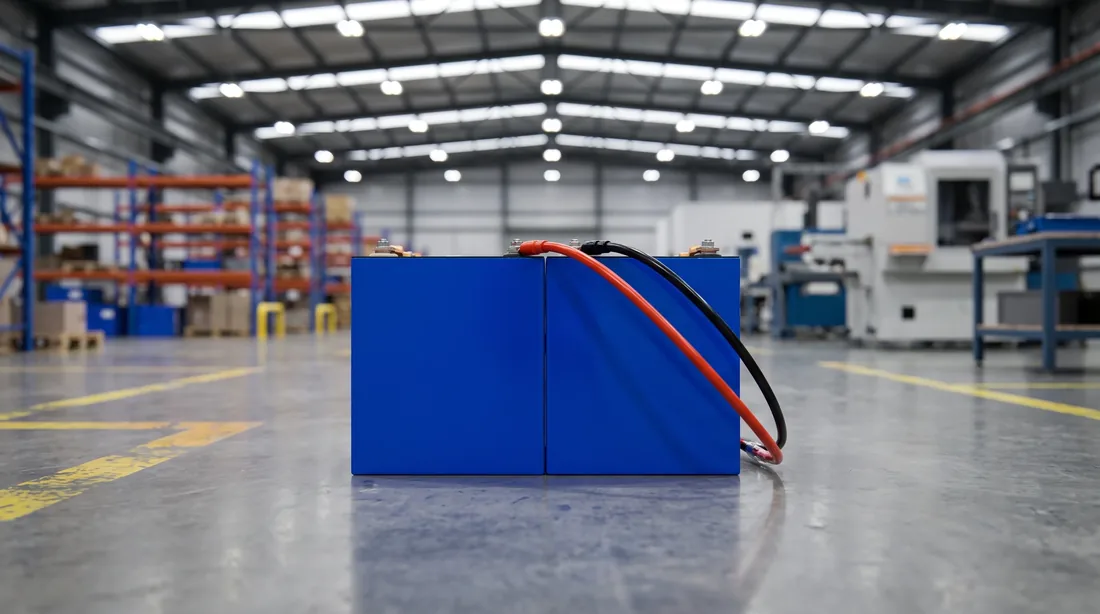
Three Lines, Separated by the Two Numbers That Decide the Tier
Takt and annual output are enough to tell you which tier you are shopping in. Everything else is a conversation.
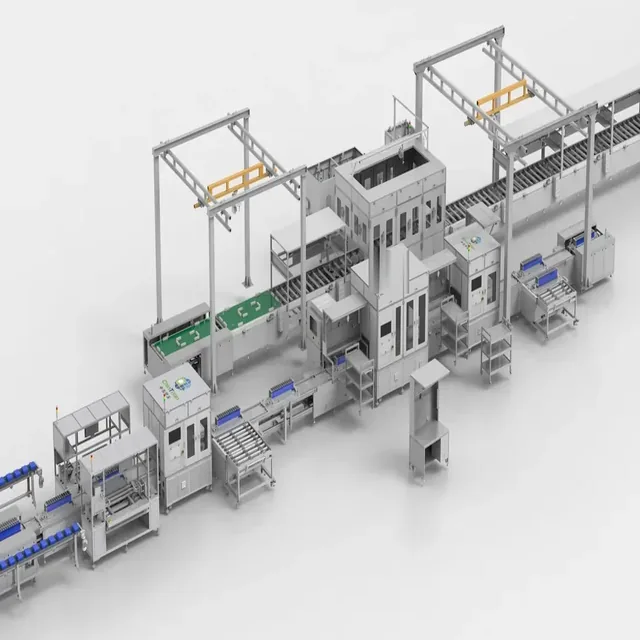
The basis
Why two of them overlap
On request means on request
Full comparison — footprint, installed power, headcount and automation level — on the tier-selection page.
Three Kinds of Buyer, and One We Cannot Help
Two minutes here saves a fortnight of quotations that were never going to fit your project.
Storage integrator, order signed
Cell maker's pack shop
New plant abroad
Not us: cell production
Three of those four start in the same place: something has already been signed. The fourth is worth naming because a fast no is cheaper for you than a polite maybe — a supplier who takes the meeting anyway costs you a fortnight you will not get back.
Three Things Are Fixed Before Anyone Quotes You a Line
Almost every project that reaches us is standing in the same place, with the same three decisions already behind it.

The cell is fixed
The output is fixed
The building is fixed
The middle is the only part still open, and it is the part this site is about. Everything around it already carries someone else's signature — so a line that asks you to change the cell, the output or the building is not a line you can buy.
Three Ways a Module-and-Pack Project Goes Sideways
Each one is opened up on the page that owns it. Here they are only worth naming, with the page to read next.

Sized against your peak

Two suppliers, one seam

Nothing to accept against
None of the three shows up on a layout drawing. All three show up in the second week of ramp-up, when the takt is real and the workarounds start. The cheapest place to deal with any of them is on paper, before anything has been cut.
A line rarely fails at the station you were worried about. It fails at the seam between two things that were each correct on their own drawing.
Module segment
Pack segment
The seam between them
The Seam Between the Two Segments, and Who Owns It
Of everything that can go wrong on a line, this is the one that belongs to whoever owns the whole line.
The handover position — one carrier on one side, receiving tooling on the other
Every other failure here has a page that owns it. This one has none.
Each of the three failure modes above has a station attached to it, and a page that owns that station. The seam has neither. It is the single position where two sets of drawings, two sets of tooling and two assumptions about takt all have to agree at once — and the only one of them that is nobody's job by default.
Three things have to line up at one position
The carrier a finished module travels on. The tooling that receives it on the pack side. The takt both sides are commissioned to. Each supplier can be entirely correct on their own drawing while the two disagree by a few millimetres or a few seconds.
A line does not slow at that point. It stops.
The stations upstream keep running, so work piles up behind the handover while the pack side stands empty. The correction is tooling re-cut and both sides re-timed — on your floor, during ramp-up, against an order that was promised before the equipment arrived.
One line, one takt, one owner across both segments
The carrier and the receiving tooling are drawn against your module drawing before anything is cut. Both segments are then commissioned to the same takt figure using your parts, not samples, so the handover is proven with what you will actually run.
One published takt figure for both segments, not two that happen to be close
4–8, 8 or 12–15 PPM, stated once and applied across the whole line. A format change lands on this seam before it lands anywhere else, which is why the tooling on both sides of it is drawn, quoted and accepted as one job rather than two.
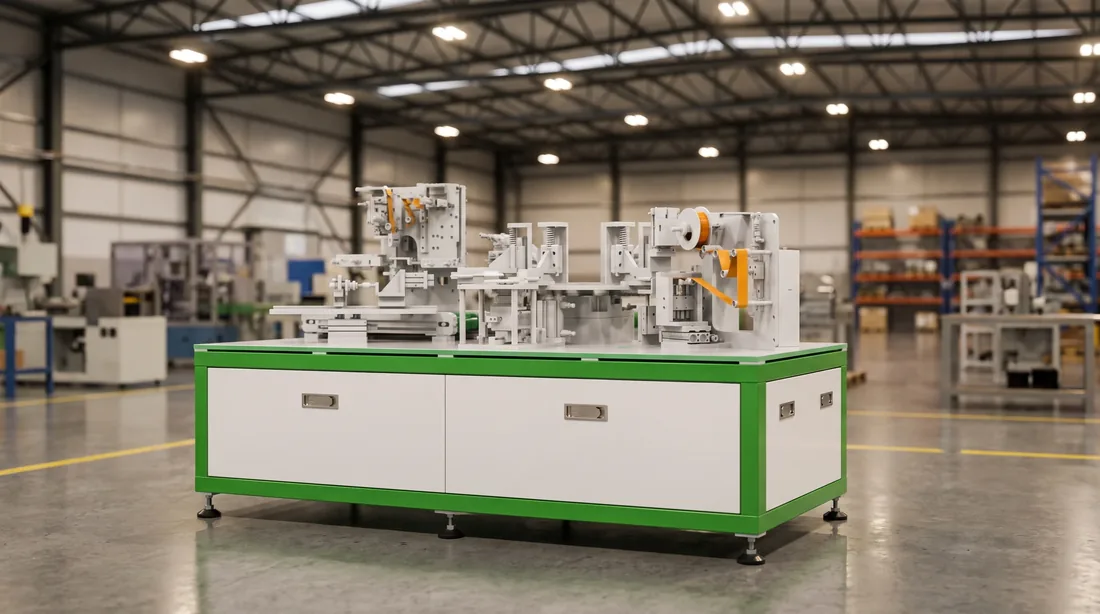
AUTO, SEMI-AUTO, MANUAL — the Label That Sets Your Headcount
It is the one line on a quotation you can check yourself, and the one most quotations leave out.
- Auto
- Semi-auto
- Manual
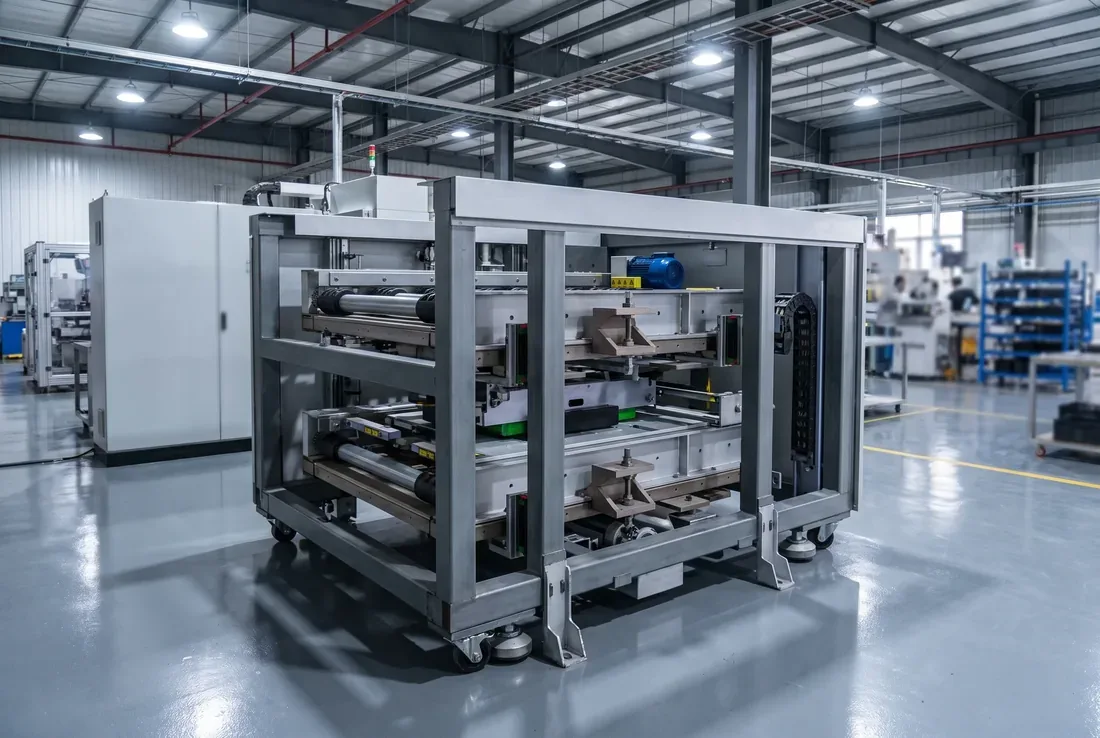
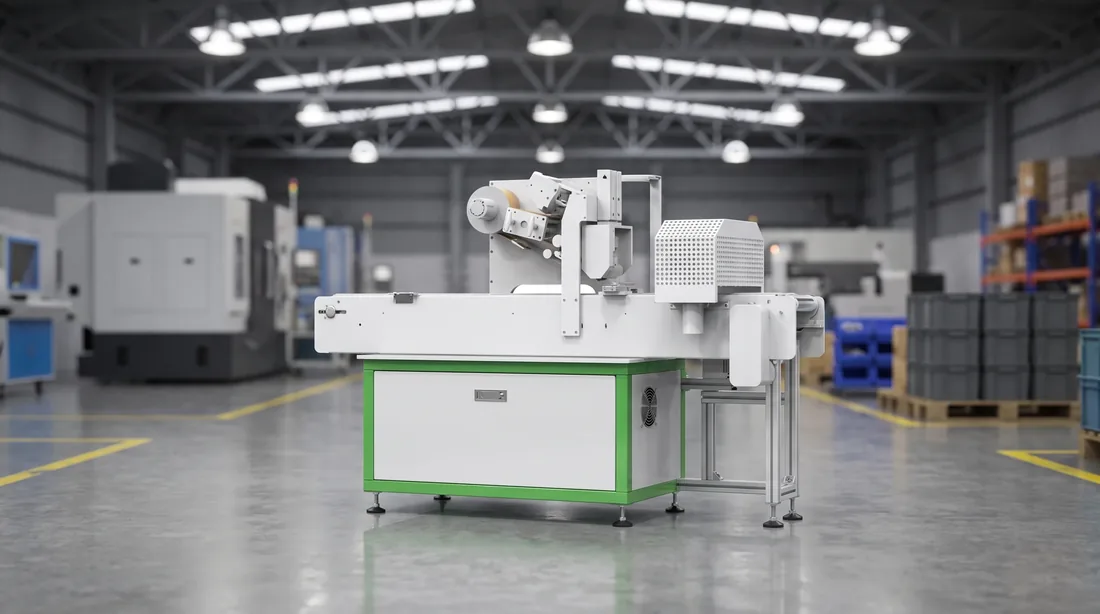
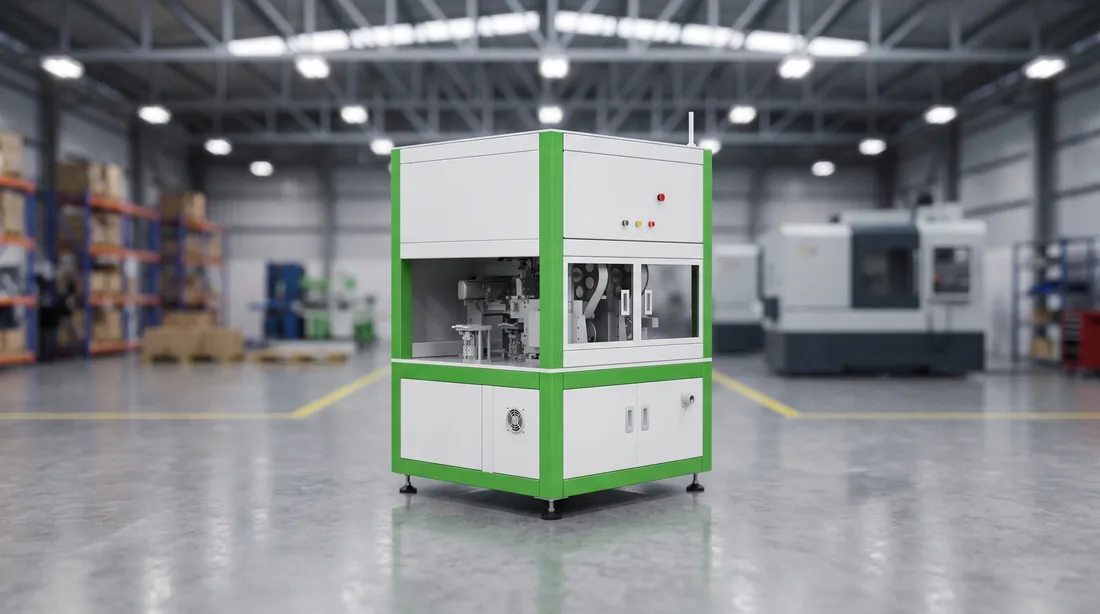
The same three labels appear in three places and have to agree in all of them: on the layout drawing, in the station list, and in the acceptance document you sign. A quotation that carries them everywhere is one you can compare; one that carries them nowhere is one you cannot.
Your Cell Decides Every Fixture Downstream of It
Which is why the first question we ask is about the cell, not about the output you are targeting.

A prismatic cell fixes how cells are presented to the line, the stacking pitch, the pressing envelope and where the terminals sit. Every station that touches a cell or a module is dimensioned from those four facts. Change the format and the fixtures change with it — the sequence of stations does not.
One blueprint: 314 Ah
A stated blueprint is what makes quotes comparable
Changeover has a price
Every Position Is Quoted With the Figure It Is Judged On
The one claim on this page you can test in a minute, using the quotations already sitting on your desk.
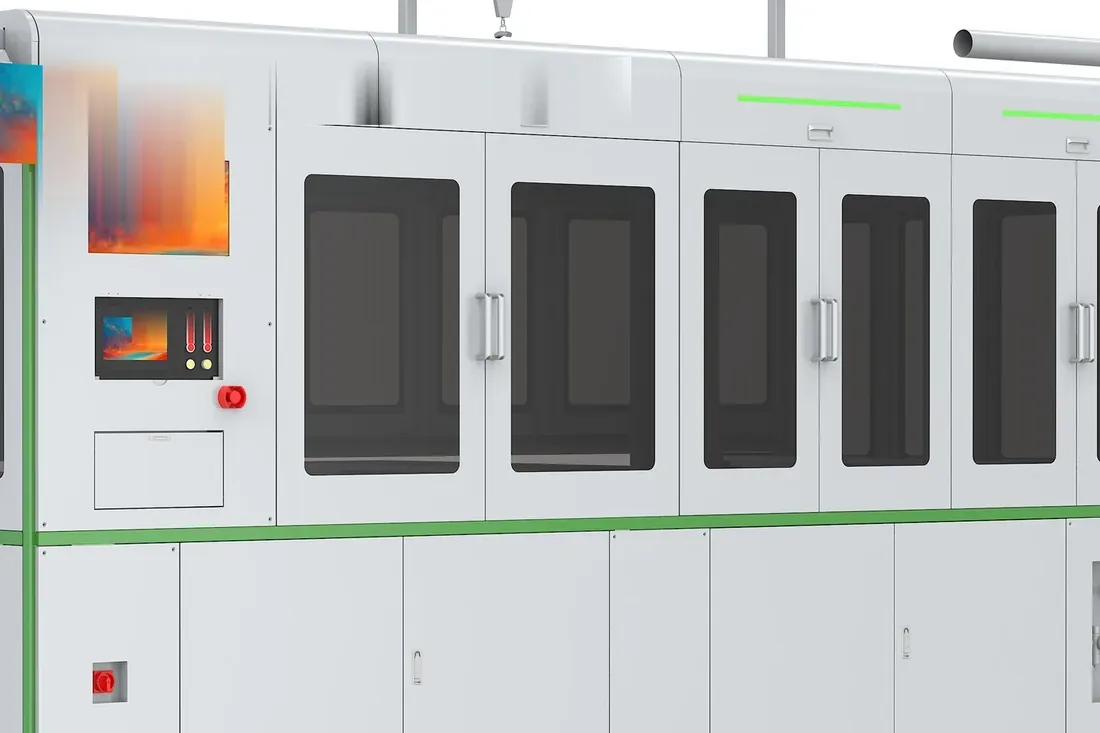
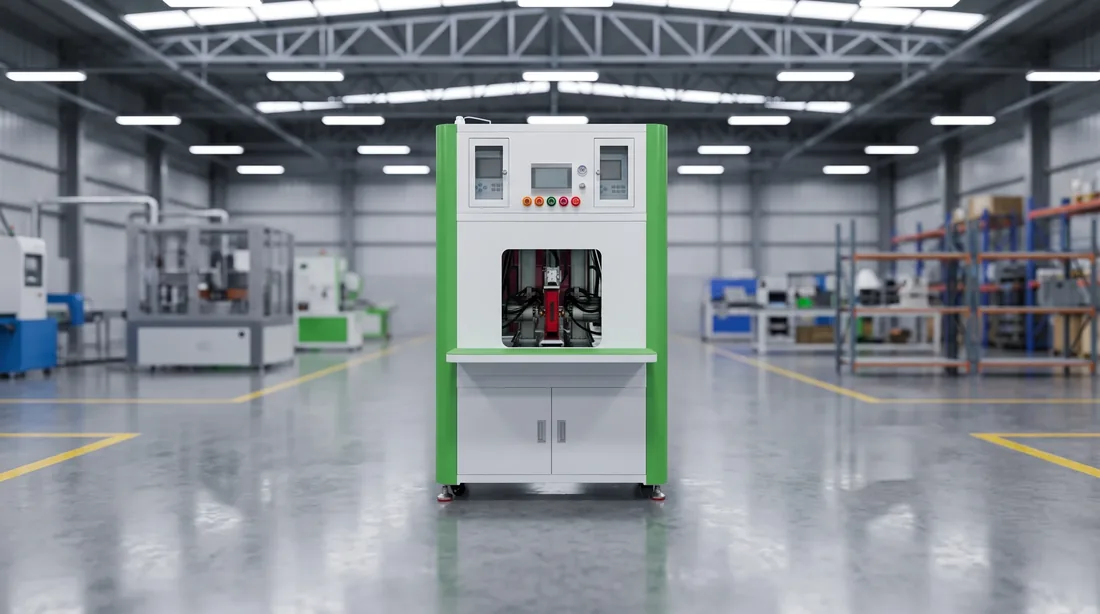
Pressing force, welding speed, positioning accuracy, pull-off strength — each one is published on the page that owns that position, rather than compressed into an adjective. Pick any position on the line, follow it through to its page, and there is a figure waiting for you.
Checkable in a minute
Two reviews, one document
No figure, no comparison
≥99% Acceptance Yield, Counting Equipment-Caused Defects Only
A figure we are willing to have written into the acceptance document, rather than one that lives in a brochure.
Equipment-caused defects only
Equipment only
Whole line
In the contract
Yield is defined here rather than asserted. Line utilisation is time utilisation multiplied by performance utilisation multiplied by first-pass yield, and first-pass yield is units in, minus rejects, over units in. Two parties measuring that the same way is the difference between an acceptance meeting and an acceptance argument.
Your Bay Is an Input to the Layout, Not an Obstacle
The layout is drawn to the building you already have. The building does not get rebuilt to suit a standard line.
Those three dimensions decide whether a line runs in one straight pass or folds back on itself. Folding is not a defect — it costs transfers, floor area and operator positions, and all three are cheaper to settle on a drawing than after steel is standing on your floor.
The bay has to carry the line
Utilities are what hold up a date
The figures live on one page
Storage and EV Packs Run the Same Two Segments
The sequence does not change between them. The tooling and the compatibility envelope do — and that is what decides whether a line fits.
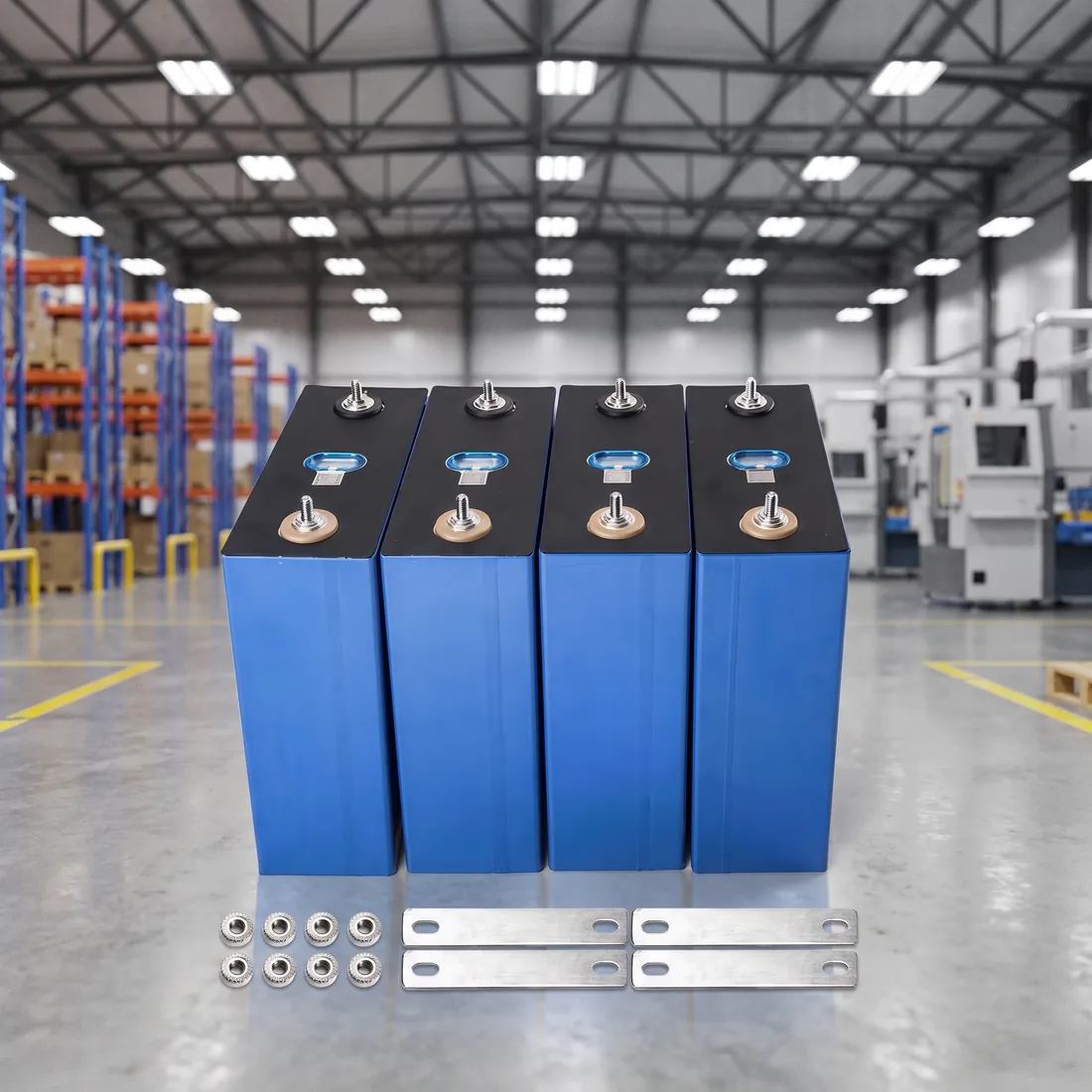
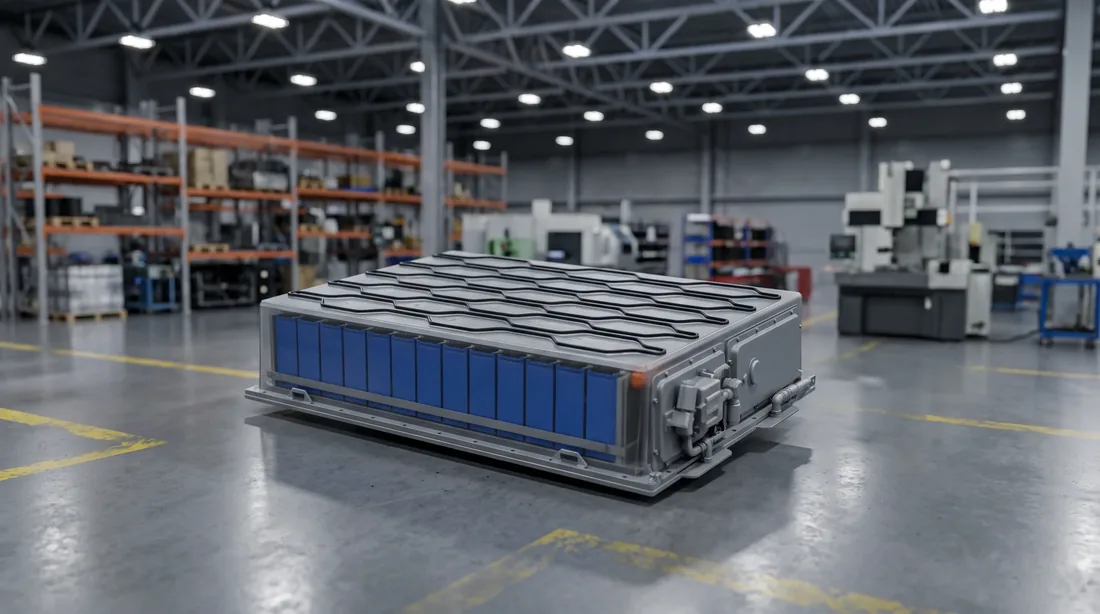
A line quoted for one is not automatically right for the other, even when the two station lists read identically. What makes a line fit is the tooling behind those station names and the compatibility envelope it was drawn to, and both come from the pack you are actually building.
Same sequence, both
The envelope is what changes
Station lists mislead
Get a Layout Drawn to Your Bay
Cell format, target PPM, bay dimensions with clear height. Three lines of an email is enough to start.
Reply within 24 hours / No obligation / If it is not our segment, we say so first
Cell format
Target PPM
Bay dimensions
How a Whole-Line Supplier Compares With the Two Other Ways to Buy a Pack Line
Roles, not companies. Which one fits depends on what you already own, not on which of them happens to be quoting you.
| Criteria | Whole-line supplierWhat this page describes | Single-machine vendor | Systems integrator |
|---|---|---|---|
| Who owns the seam | One owner across both segments | Nobody — it falls between orders | Integrator, if it is in scope |
| Takt commitment | One takt figure for the whole line | Per machine, not per line | Per line, usually |
| Station-level automation | Published per station, AUTO / MANUAL | Per machine only | Varies by contract |
| Tooling to your parts | Cut to your enclosure, plate and module drawings | Standard tooling; your parts are your problem | Usually yes, at integrator margin |
| Headcount you can budget | Stated per segment | Not stated | Sometimes stated |
| Layout to your bay | Adjusted to the building you have | Not in scope | Yes |
| Acceptance | One acceptance for the line | One per machine | One for the line |
| Who you call when takt is missed | One number | Each vendor points at the next | Integrator |
Not every project starts with an empty bay. If a module segment already runs well, the real question is whether a pack segment can join it at one takt. If a single position is the constraint, that is a machine purchase — and a whole-line quotation for it sells you stations you did not need.
Roles, not companies — a single-machine vendor is not supposed to carry line takt. That is a different division of work, not a defect.
From Your Email to a Layout, in Five Steps
What happens next, in order, so that the first exchange holds no surprises for either side.
- 01
You send three things
Cell spec, target PPM, and bay dimensions with clear height. - 02
We come back with a layout
The line drawn into your bay, both segments, with the seam shown. - 03
Station list and levels
Every station named and marked AUTO, SEMI-AUTO or MANUAL, with headcount per segment. - 04
Tooling drawn to your parts
Insertion and receiving tooling dimensioned on your enclosure, plate and module drawings. - 05
Acceptance you sign
Yield and takt figures written into the acceptance document.

Two things are worth saying before step one. Drawings change the answer — if enclosure, cooling plate or module drawings already exist, send them and the layout comes back dimensioned rather than indicative. And there is no price at step one: a price quoted before a layout is a number that will change.
The Line, Position by Position — and Where Each Is Written Up
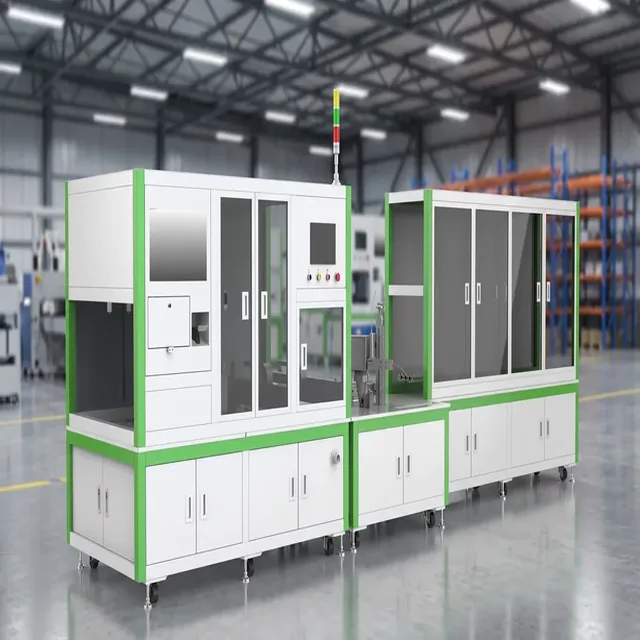
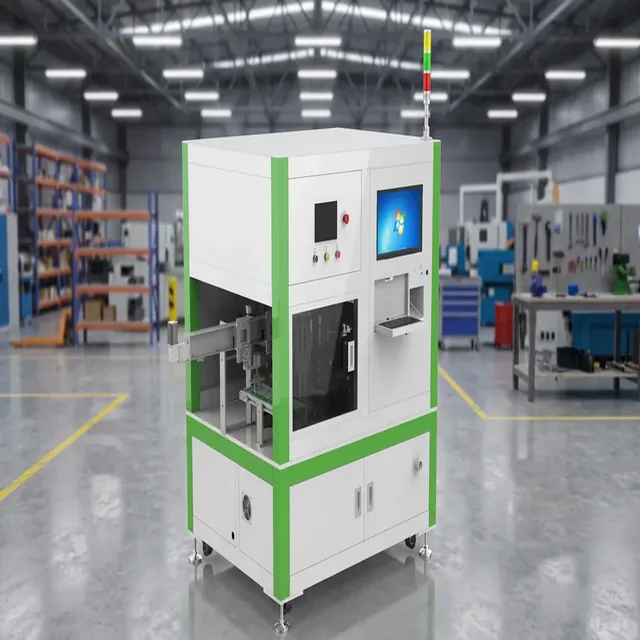
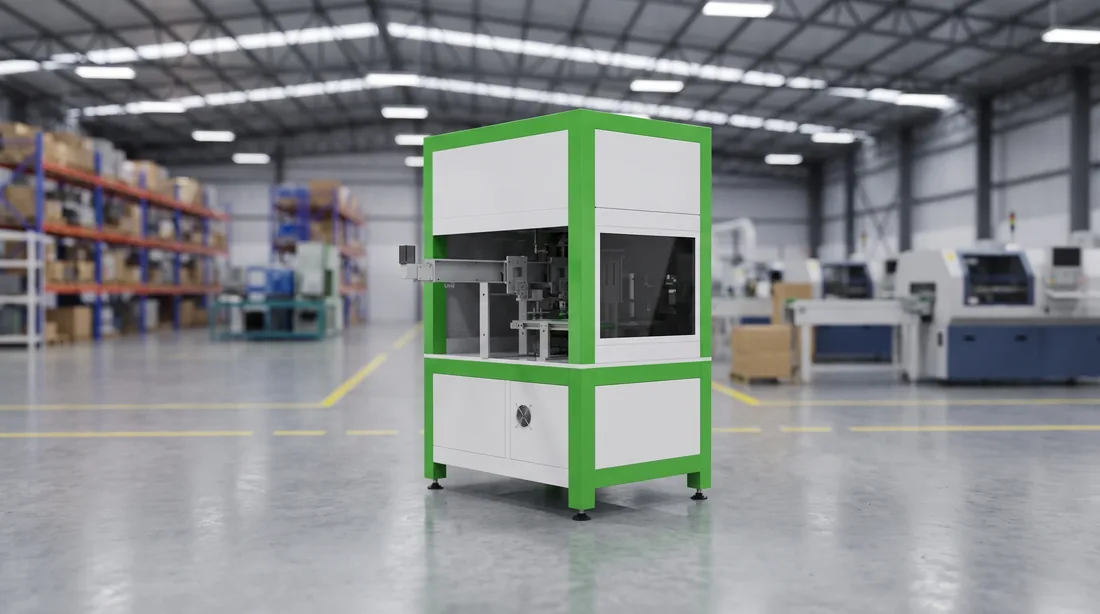
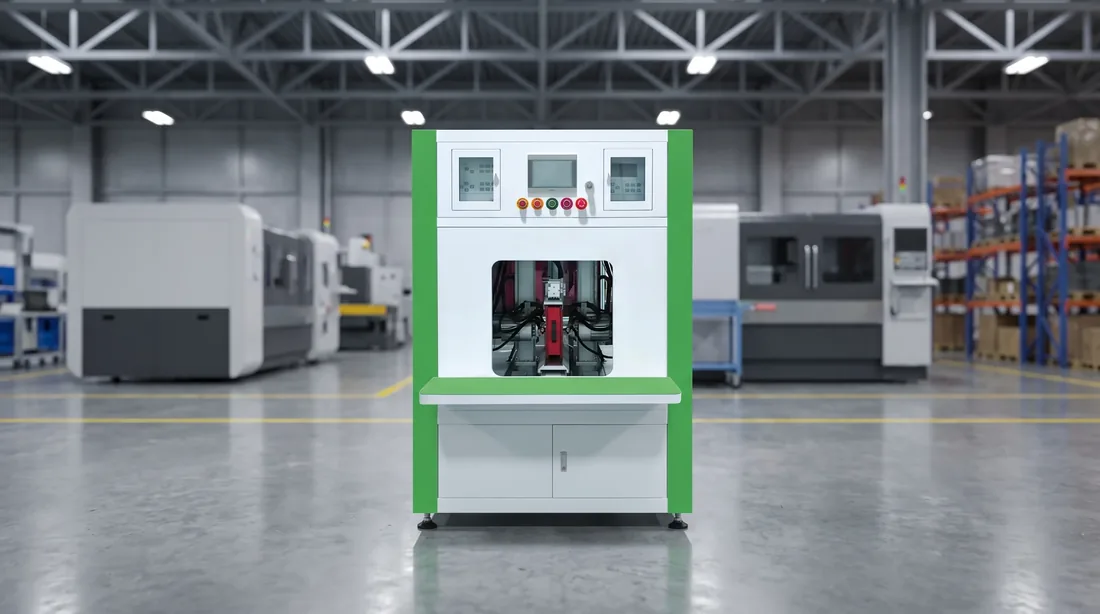
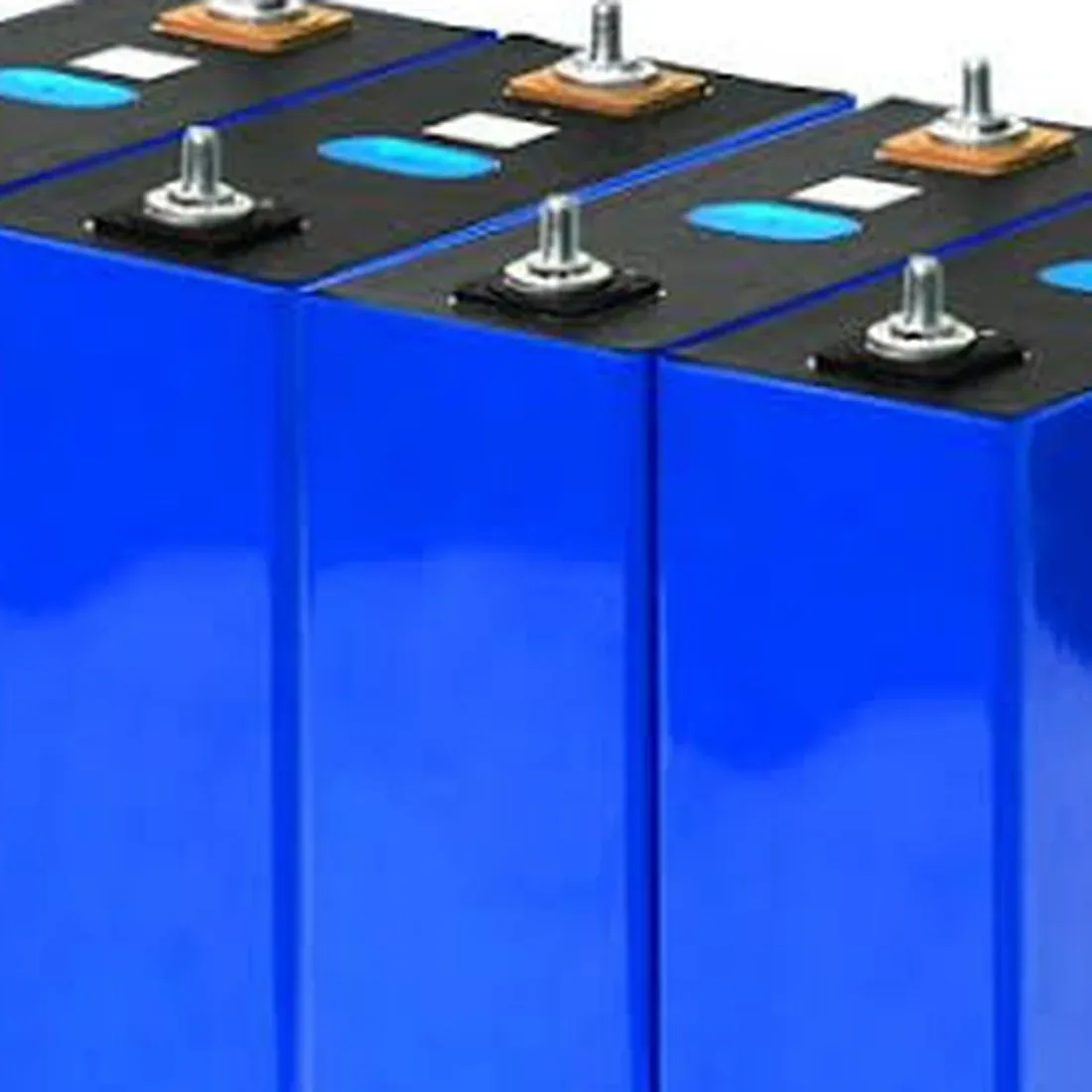
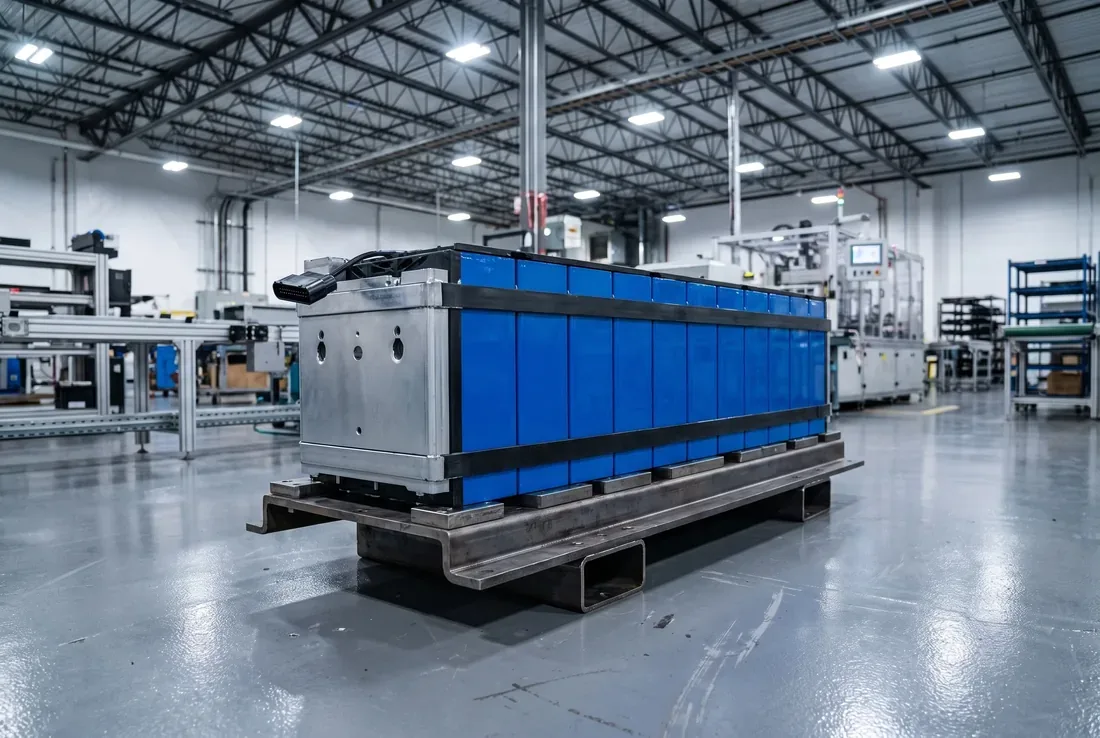
Renders of the positions a module and pack line is built from. Every subject below is stated once, on the page that owns it.
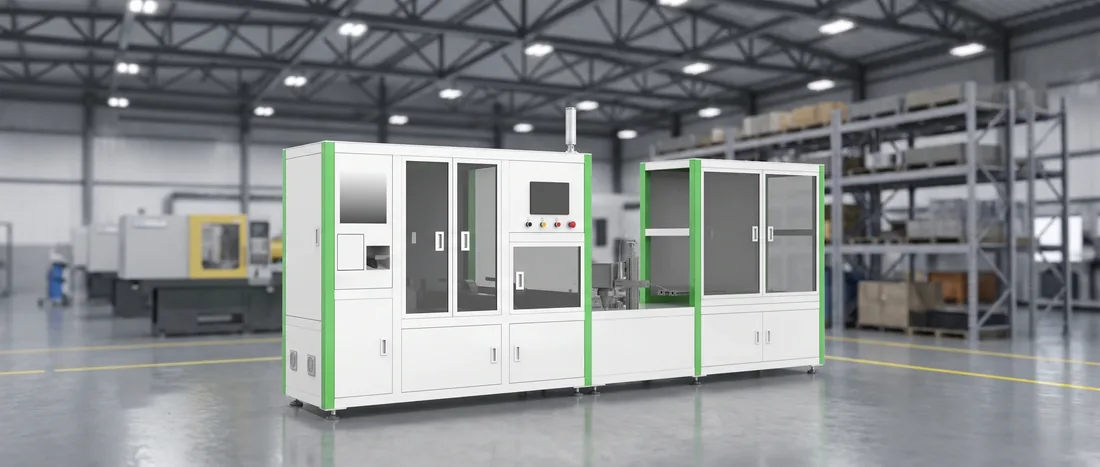
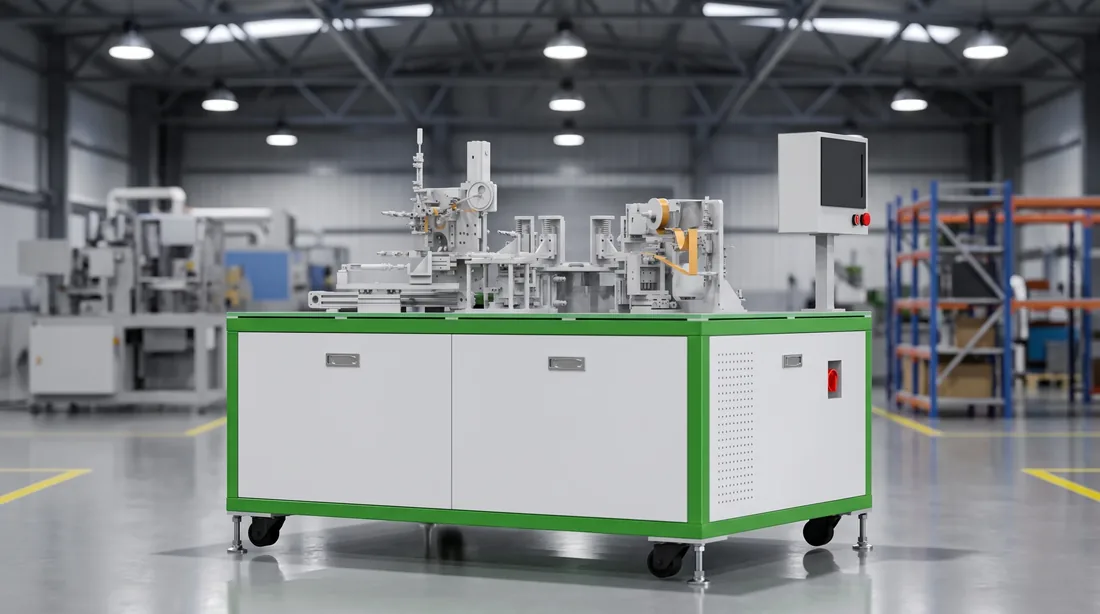
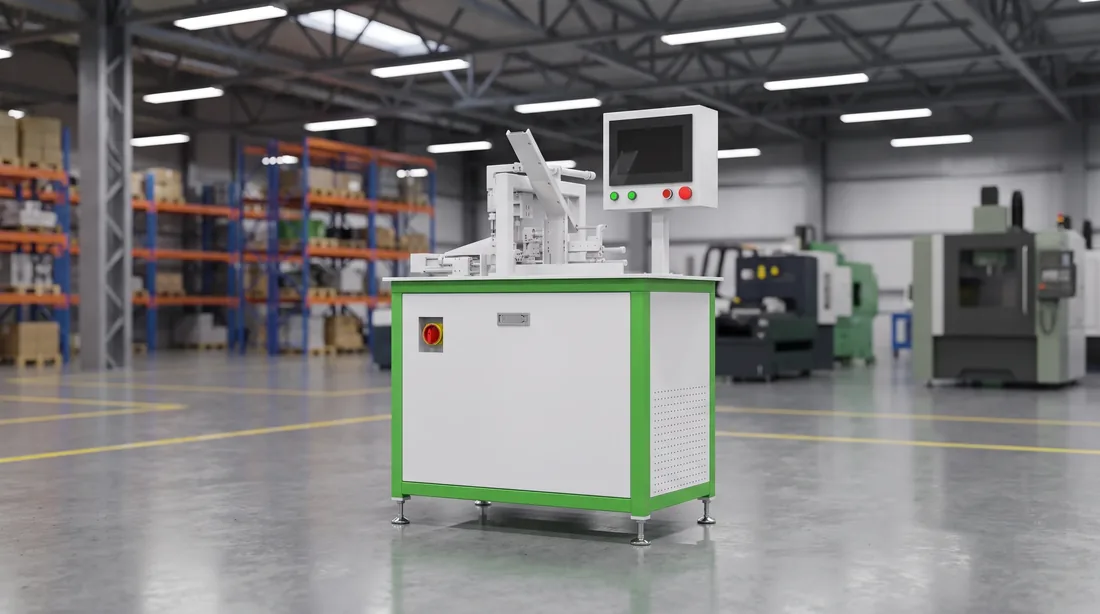
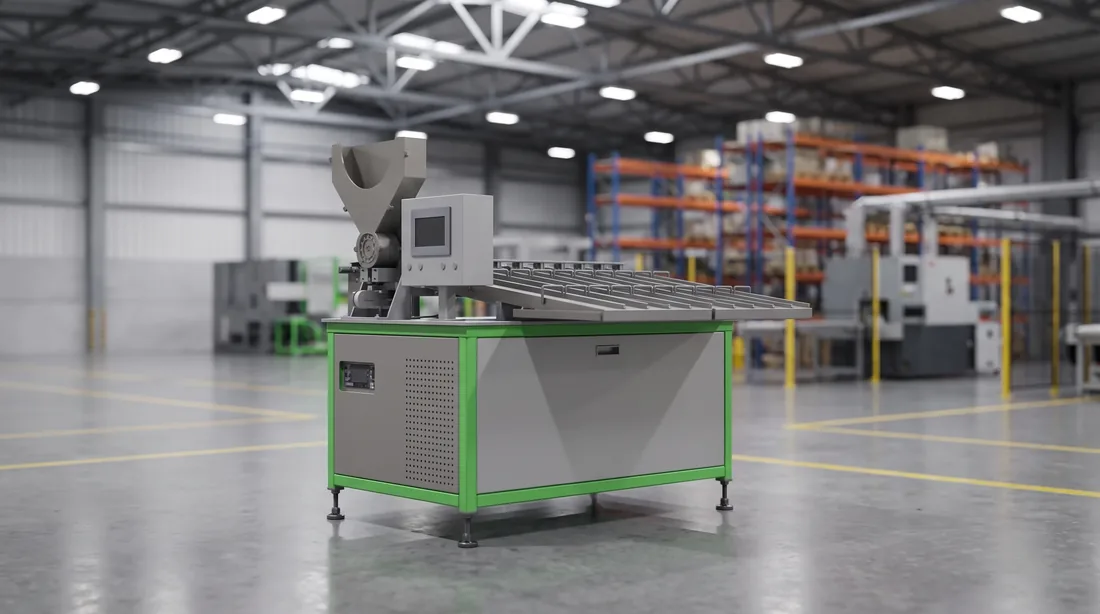
Nothing on this site is stated twice
Each figure above is one click from the page that owns it.
Your enquiry, ready to send
If your email client opened, it is already in the message. If nothing opened — many buyers work in webmail — use one of the two routes below. Nothing was transmitted from this page.